
Top 6 Most Mistakes When Traveling to Sapa is a common concern for many visitors planning a trip to this iconic mountain destination. Located in Vietnam’s northern highlands, Sapa is renowned for its breathtaking terraced rice fields, cool mountain climate, misty valleys, and the rich cultural heritage of its ethnic minority communities. However, despite its growing popularity, many travelers—especially first-time visitors—arrive without proper preparation and end up making avoidable travel mistakes.
These mistakes can impact not only comfort and safety but also the authenticity and overall quality of the experience. Based on real travel experiences, insights from local guides, and trusted travel resources, this article highlights the top 6 most common mistakes when traveling to Sapa, along with clear, practical solutions to help you plan smarter, travel more confidently, and enjoy a truly memorable Sapa adventure.
Table of Contents
Top 6 Most Mistakes When Traveling to Sapa
1. Not Packing Properly for Sapa’s Unpredictable Weather
Mistake
One of the biggest misconceptions about Sapa is that it enjoys mild weather all year round. In reality, Sapa has a highland mountain climate that changes dramatically by season—and even within a single day.
- Winter (December–February): temperatures can drop below 5°C (41°F), with cold winds, thick fog, and dry air
- Summer (June–August): frequent rain makes trekking trails muddy and slippery
- Daytime and nighttime temperatures can vary significantly
Many travelers arrive with light clothing, unsuitable shoes, or no rain protection, resulting in discomfort, illness, or an inability to participate fully in trekking activities.
Solution
According to local trekking guides, travelers should follow the layering principle when packing. Essential items include:
- A warm jacket or windproof coat
- Thermal layers or sweaters
- Comfortable, quick-dry pants
- Waterproof trekking shoes with good grip
- Rain jacket or poncho
- Gloves, scarf, and face mask (especially in winter)
- Sunscreen and sunglasses (during dry seasons)
Proper preparation not only improves comfort but also ensures safety on mountainous terrain.
2. Not Booking Accommodation in Advance (Especially During Peak Seasons)
Mistake
Many travelers assume they can find accommodation upon arrival. While this might work during low season, it becomes risky during:
- Weekends
- Public holidays
- Golden rice harvest season (September–October)
- Spring flower season (March–April)
The result is often fully booked hotels, limited options far from the center, or inflated last-minute prices.
Solution
Travel experts strongly recommend booking accommodation at least 1–2 weeks in advance during peak periods. Use trusted platforms or book directly with hotels and homestays. When choosing accommodation, consider:
- Location (town center vs. village experience)
- Reviews and ratings
- Proximity to trekking routes
Advance booking guarantees better prices, comfort, and peace of mind.
Plan your authentic Sapa Adventure with us!
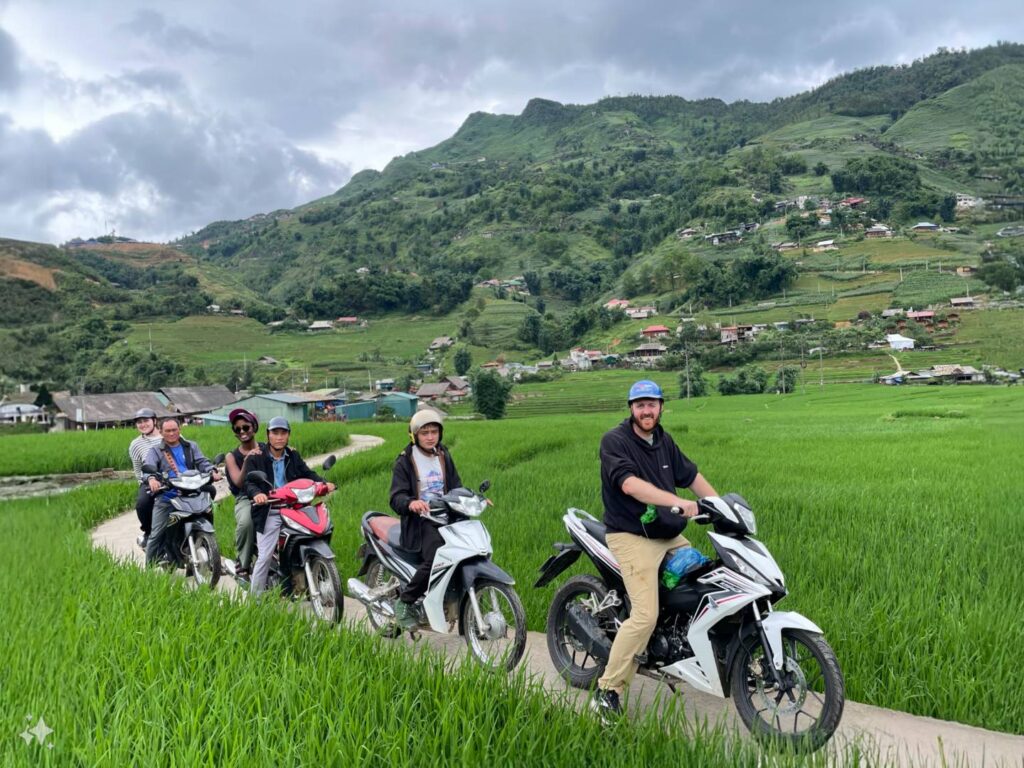
Sapa Motorbike Witl Local Guide 1Day – Waterfalls and Village
3. Not Learning About Local Culture and Ethnic Communities
Mistake
Sapa is home to several ethnic minority groups, including the H’Mong, Red Dao, Tay, and Giay. Many visitors focus solely on scenery and photography, without understanding local customs or daily life.
This can lead to:
- Unintentional disrespect (such as photographing locals without permission)
- Superficial experiences
- Missed opportunities for genuine cultural exchange
Solution
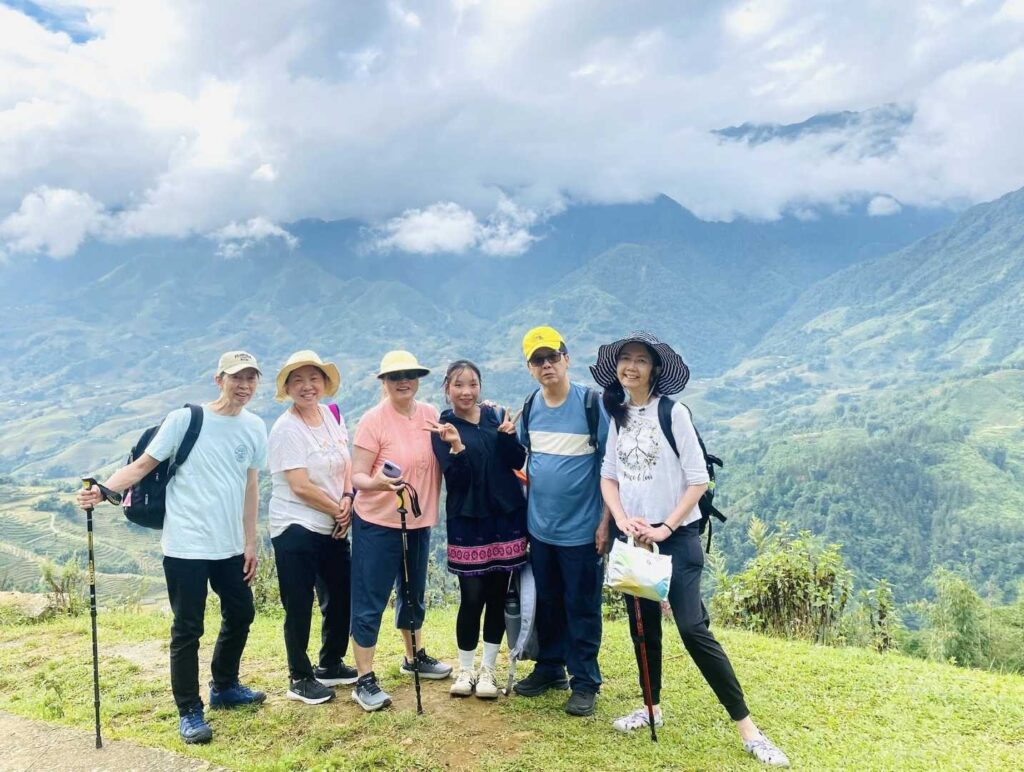
To truly understand Sapa, take time to learn about its people before your trip. The most meaningful experiences come from:
- Trekking with local ethnic guides
- Staying in traditional homestays
- Participating in daily village activities such as cooking or farming
Cultural awareness enhances your journey while supporting responsible and sustainable tourism.
4. Choosing Low-Quality Tours or Inexperienced Guides
Mistake
Many travelers select tours based solely on low prices, overlooking quality and safety. Poorly organized tours may include rushed itineraries, overcrowded groups, limited cultural insight, or unsafe trekking routes.
Solution
In Sapa, quality matters more than price. A reliable tour should offer:
- Experienced local guides
- Well-paced itineraries suited to your fitness level
- Small group sizes
- A focus on cultural and nature-based experiences
A knowledgeable guide transforms your trip into an immersive journey rather than just a sightseeing excursion.
5. Not Knowing How to Identify Authentic Local Handicrafts
Mistake
Many souvenirs sold in Sapa markets are mass-produced and do not reflect traditional craftsmanship. Without proper knowledge, travelers may overpay for items that lack cultural value.
Solution
Before shopping, learn about traditional handicrafts such as:
- Handwoven brocade textiles
- Indigo-dyed fabrics
- Hand-embroidered bags and clothing
Ask your guide or homestay host for recommendations on trustworthy markets and artisans. Buying authentic products ensures quality and directly supports local craftspeople and their livelihoods.
6. Not Exchanging Currency to Vietnamese Dong (VND) Before Arrival
Mistake
Sapa is not a cashless destination. Many small restaurants, markets, villages, and homestays do not accept credit cards or foreign currency. ATMs are limited and may charge high fees.
Solution
Exchange your money into Vietnamese Dong before traveling to Sapa, preferably in Hanoi or another major city. Carry enough cash for daily expenses such as food, transport, souvenirs, and village activities. This ensures convenience and avoids unnecessary stress.
Final Thoughts: Smart Preparation Leads to a Better Sapa Experience
Sapa is more than a destination for photos—it is a place to slow down, connect with nature, and engage deeply with local cultures. By avoiding these common mistakes, you can enjoy:
- Greater comfort and safety
- Richer cultural experiences
- More authentic connections
- A smoother, more memorable journey
With thoughtful preparation and respect for local communities, Sapa will reward you with unforgettable landscapes, meaningful encounters, and memories that last far beyond your trip.